
Understanding Ihram Rules: Common Mistakes and How to Avoid Them
28 Oct, 2025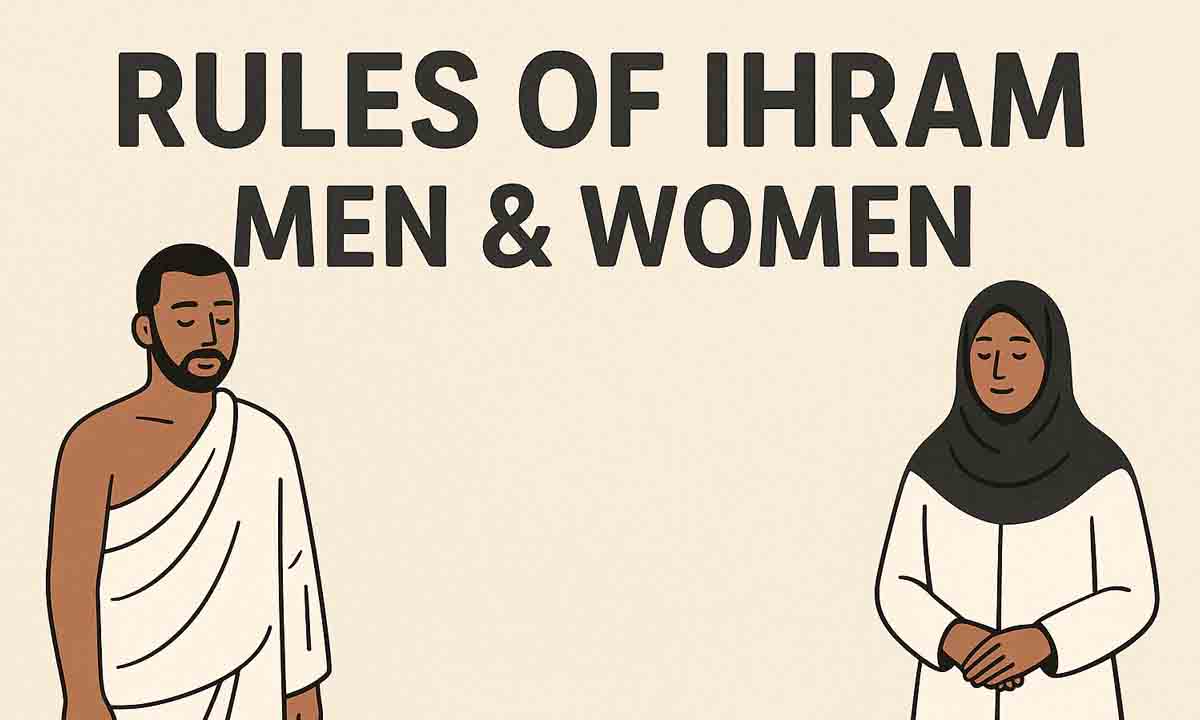
Entering the state of Ihram marks the beginning of one of the most sacred journeys a Muslim can undertake — the pilgrimage of Umrah or Hajj. Ihram is not just a dress code but a spiritual state of purity, humility, and devotion to Allah. It symbolizes equality among all believers, as pilgrims wear simple, unstitched garments, leaving behind worldly distinctions.
Despite its significance, many pilgrims make avoidable mistakes during Ihram due to a lack of knowledge or preparation. Understanding the rules of Ihram and being aware of common errors can help every pilgrim perform their Umrah correctly and with full spiritual reward.
The Concept and Purpose of Ihram
Ihram is both a physical and spiritual preparation for Umrah. Physically, it involves wearing specific clothing — two white, unstitched sheets for men, and modest attire for women. Spiritually, it signifies the pilgrim’s intention to purify themselves from sins, worldly desires, and distractions.
The state of Ihram begins once a pilgrim makes the intention (niyyah) and recites the Talbiyah:
“Labbayk Allahumma Labbayk, Labbayka La Shareeka Laka Labbayk, Innal-Hamda Wan-Ni’mata Laka Wal-Mulk, La Shareeka Lak.”
(“Here I am, O Allah, here I am. Here I am, You have no partner, here I am. Surely all praise, grace, and dominion belong to You, You have no partner.”)
The pilgrim then enters into a sacred state in which certain actions become forbidden until the Umrah rituals are completed.
Key Rules of Ihram
Before understanding the mistakes, it’s crucial to know the main rules that govern the state of Ihram.
1. Making the Intention (Niyyah):
The pilgrim must make a sincere intention for Umrah before crossing the Miqat (the designated boundary).
2. Wearing the Proper Garments:
- For men: Two white, unstitched sheets — one wrapped around the waist (izar) and the other over the shoulders (rida).
- For women: Modest clothing that fully covers the body, without tightness or adornment.
3. Refraining from Prohibited Actions:
While in Ihram, pilgrims must avoid specific actions such as:
- Cutting nails or hair
- Applying perfume or scented products
- Engaging in marital relations
- Hunting or harming animals
- Arguing or using foul language
- Covering the head (for men) or the face and hands (for women, with certain exceptions)
4. Observing Cleanliness and Good Conduct:
Pilgrims should maintain cleanliness, avoid disputes, and focus on dhikr (remembrance of Allah).
Common Mistakes Pilgrims Make During Ihram
Despite good intentions, many pilgrims make errors that can affect their Umrah. Below are the most frequent mistakes — and how to avoid them.
1. Entering Ihram After Passing the Miqat
- Many pilgrims forget to declare their intention and don the Ihram after passing the Miqat boundary. This is a serious mistake because entering Ihram after Miqat without returning to it requires a sacrifice (dam).
- Tip: Always check your flight or travel route and wear Ihram before reaching Miqat. If traveling by air, most airlines announce when pilgrims are approaching it — prepare beforehand.
2. Using Perfumed Products After Ihram
- Applying deodorant, lotion, or soap that contains fragrance after entering Ihram is not allowed. Even if the intention is hygiene, it invalidates the Ihram state.
- Tip: Use unscented personal care items before Ihram and pack fragrance-free toiletries specifically for your pilgrimage.
3. Covering the Head or Face
- Men should not cover their heads with hats, turbans, or scarves, while women should avoid covering their faces directly with a niqab or veil.
- Tip: Women can lower a loose piece of cloth over their face without it touching the skin, while men should leave their heads uncovered but may use umbrellas for sun protection.
4. Cutting Nails or Hair During Ihram
- Some pilgrims unintentionally trim nails or hair while in Ihram, thinking it’s permissible for hygiene. This act violates the sanctity of Ihram and requires expiation.
- Tip: Trim nails and hair before making Ihram, and avoid doing so until your Umrah rituals are completed.
5. Wearing Stitched Clothes for Men
- Ihram for men must consist of unstitched garments. Wearing T-shirts, underwear, or stitched waistbands is not allowed.
- Tip: Use belts designed for Ihram (with pockets but no stitching on the body) and ensure both garments are properly secured before departure.
6. Engaging in Arguments or Impatience
- Ihram is a state of peace and patience, yet the crowded environment can sometimes lead to arguments or irritation. Such behavior contradicts the purpose of Ihram.
- Tip: Remember the Quranic command: “There is to be no lewdness, nor wickedness, nor disputing during Hajj (and Umrah).” (Surah Al-Baqarah 2:197). Maintain calmness and avoid quarrels.
7. Forgetting the Talbiyah
- The Talbiyah is a declaration of submission to Allah and should be recited frequently. Many pilgrims neglect it once they enter Ihram, missing an essential spiritual practice.
- Tip: Keep reciting the Talbiyah regularly until reaching Makkah to reinforce the sense of devotion and humility.
Practical Tips for Maintaining Ihram Properly
To ensure your Ihram remains valid and spiritually meaningful, keep these practices in mind:
- Prepare early: Learn about Ihram rules before your journey.
- Carry unscented products: Use fragrance-free soaps and wipes.
- Stay patient and calm: Focus on dhikr and avoid worldly distractions.
- Travel light: Bring essential Ihram garments and backups.
- Follow scholar guidance: Attend Umrah orientation sessions for clarity.
- Stay hydrated and rested: Physical comfort supports spiritual focus.
The state of Ihram represents equality, humility, and total submission to Allah. It teaches self-control, discipline, and compassion — values that should extend beyond the pilgrimage itself. Understanding the rules and avoiding common mistakes ensures that your Umrah is not only valid but deeply spiritual and rewarding.
When pilgrims enter Ihram with proper knowledge and pure intention, their journey becomes more peaceful, their worship more focused, and their reward greater in the eyes of Allah.
Related News
-
08 Dec, 2025 Tips to Avoid Common Visa Mistakes During Umrah
Applying for an Umrah visa can be straightforward, but pilgrims often make simple mistakes that can lead to delays or rejections. This guide provides practical tips to avoid common errors, such as incomplete documents, incorrect personal information, or missed vaccination requirements, ensuring a smooth and stress-free visa process for a spiritually fulfilling journey.
read more -
01 Dec, 2025 Umrah Visa Fees Updated: What Pilgrims Must Know
Saudi Arabia has announced updated Umrah visa fees, introducing new cost structures and requirements for pilgrims planning their spiritual journey. The revised fees aim to streamline the visa process, improve services, and ensure a smoother experience for millions of travelers heading to Makkah and Madinah. Here’s what every pilgrim needs to know before applying.
read more -
25 Nov, 2025 Get the Cheapest Umrah Tickets: Best Time to Book
Find out the best time to book your Umrah tickets and save on travel costs. By planning ahead and choosing the right season, pilgrims can secure affordable fares and enjoy a smooth, budget-friendly journey to the holy cities of Makkah and Madinah.
read more -

19 Nov, 2025 Makkah Metro Expansion to Improve Pilgrim Transport
The ongoing Makkah Metro expansion aims to significantly improve transport for millions of Umrah and Hajj pilgrims by increasing train capacity, adding new routes, and enhancing station facilities. This major upgrade will reduce travel time, ease congestion around Masjid al-Haram, and offer pilgrims a faster, safer, and more comfortable travel experience during peak seasons.
read more -
13 Nov, 2025 How Travelers Can Perform Umrah Through Saudi Arabia’s Free Transit Visa
Travelers can now perform Umrah easily using Saudi Arabia’s free transit visa, allowing a stopover of up to 96 hours. This convenient option lets passengers perform Umrah, visit Makkah and Madinah, or explore Saudi attractions during transit. The visa is issued automatically when booking eligible flights through Saudi carriers.
read more