
Indonesia Seeks Larger Role in Global Hajj & Umrah Supply Chain Through Strategic Saudi Partnerships
06 Aug, 2026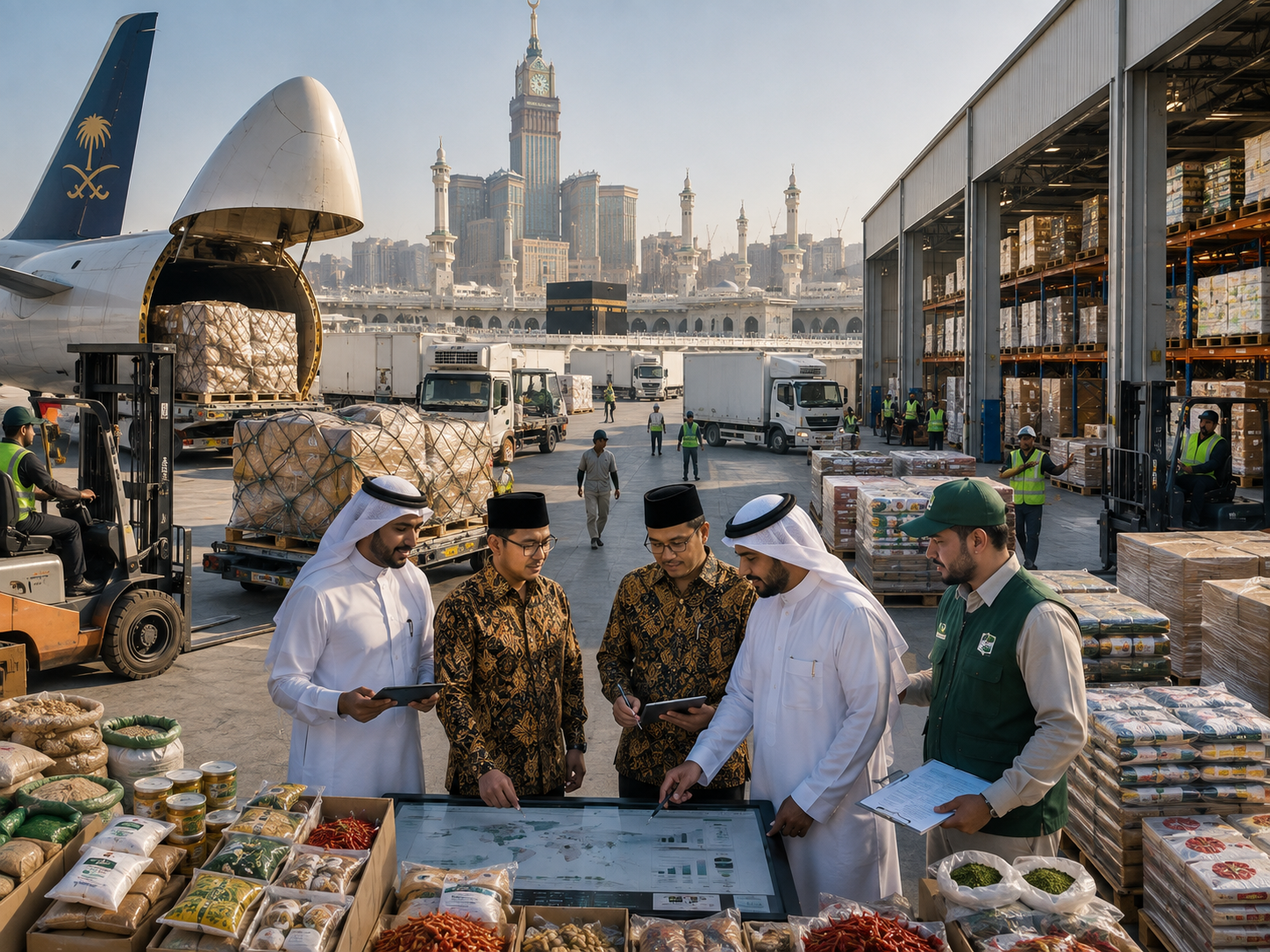
Indonesia Targets a Bigger Role in the Global Hajj and Umrah Economy
Indonesia is taking significant steps to increase its participation in the global Hajj and Umrah supply chain as the government strengthens cooperation with Saudi Arabia across multiple sectors connected to pilgrimage services. The initiative reflects Indonesia's ambition to move beyond being one of the world's largest sources of pilgrims and become an active contributor to the wider Hajj and Umrah economy.
Government officials believe Indonesia's large Muslim population, strong food production sector, logistics capabilities, and growing halal industry position the country to play a greater role in supporting pilgrimage operations in Saudi Arabia.

Building LongTerm Saudi Partnerships
Indonesia is working closely with Saudi stakeholders to expand cooperation in several strategic sectors, including:
- Catering and halal food supply
- Hospitality services
- Logistics and transportation
- Pilgrim accommodation
- Agricultural exports
- Ready to eat meals
- Spice and seasoning exports
- Supply chain management
Officials say these partnerships will help Indonesian businesses gain greater access to Saudi Arabia's growing pilgrimage economy while improving services for Indonesian pilgrims travelling to Makkah and Madinah.
Growing Economic Potential
Indonesia sends more than 200,000 Hajj pilgrims annually and around 2 million Umrah pilgrims each year, making it one of the largest pilgrimage markets globally. Authorities estimate that the country's Hajj and Umrah ecosystem generates economic potential of approximately Rp80 trillion per year, covering transportation, accommodation, catering, logistics, retail, and other supporting services.
Rather than remaining primarily a consumer of pilgrimage services, Indonesia aims to increase its participation throughout the value chain by investing in businesses and strengthening commercial partnerships linked to Hajj and Umrah.

Expanding Indonesian Products in Saudi Arabia
One major focus is increasing the export of Indonesian food products used during Hajj and Umrah seasons.
Government agencies are encouraging Saudi catering companies to source more Indonesian products such as:
- Rice
- Cooking spices
- Coconut milk
- Crackers
- Seafood products
- Ready to eat meals
Earlier this year, Indonesia announced plans to ship approximately 400 tonnes of spices and 3.9 million ready to eat meals for the 2026 Hajj season, supporting both Indonesian pilgrims and domestic producers.
Supporting Saudi Vision 2030
Indonesia's expanded involvement aligns with Saudi Arabia's Vision 2030 strategy, which aims to improve services for millions of Hajj and Umrah pilgrims through stronger international cooperation, investment, digital transformation, and improved operational efficiency.
As pilgrimage numbers continue to grow, demand for reliable food supplies, transport services, hospitality, and logistics is expected to increase, creating new opportunities for international partners.
What This Means for Umrah Travellers
Although these developments primarily involve government and business partnerships, pilgrims may benefit from:
- Improved catering services
- Better availability of halal food
- More efficient logistics
- Enhanced accommodation support
- Stronger international cooperation
- Higher quality pilgrimage services
For travel agencies such as UmrahOne, developments within the Hajj and Umrah supply chain can contribute to more reliable services and an improved travel experience for pilgrims.
Looking Ahead
Indonesia's efforts to strengthen its position in the global Hajj and Umrah supply chain represent a long term strategy focused on investment, trade, and international cooperation rather than simply serving as a source of pilgrims.
If these initiatives continue to expand, Indonesia could become one of Saudi Arabia's most important strategic partners in supporting the world's largest annual religious travel ecosystem while creating new opportunities for businesses across both countries.

Frequently Asked Questions (FAQs)
Why is Indonesia expanding its role in the Hajj and Umrah supply chain?
Indonesia aims to become a strategic partner in the global pilgrimage economy by strengthening cooperation with Saudi Arabia in logistics, catering, hospitality, food exports, and related services.
Which sectors are included in the partnership?
The cooperation includes food supply, halal products, transportation, logistics, accommodation, hospitality, and other services supporting Hajj and Umrah pilgrims.
How many Indonesian pilgrims travel each year?
Indonesia sends more than 200,000 Hajj pilgrims annually and around 2 million Umrah pilgrims every year.
Will this affect international pilgrims?
While the initiative is centred on Indonesia's role, stronger supply chains and service partnerships could contribute to improved operational efficiency and service quality for pilgrims visiting Saudi Arabia.
How does this support Saudi Vision 2030?
The collaboration supports Saudi Arabia's efforts to modernise pilgrimage services, diversify partnerships, and improve the overall Hajj and Umrah experience through investment and international cooperation.
Related News
-
19 Sep, 2026 Saudi Arabia Expands Direct Online Umrah Booking Options
Saudi Arabia is expanding digital options for Umrah travelers in September 2026, giving pilgrims at home and abroad additional ways to review and arrange approved Umrah packages online. The development is particularly relevant for international travelers comparing flights, accommodation, transportation and other package services before their journey.
read more -
12 Sep, 2026 Saudi Arabia Strengthens Pilgrim Rights Awareness Through Multilingual Umrah Guides
Saudi Arabia is strengthening awareness of pilgrim rights and responsibilities through multilingual programs and updated guidance for Hajj and Umrah visitors. The initiative covers accommodation, transportation, food services, contracted services, service quality and complaint mechanisms.
read more -
08 Sep, 2026 Madinah Airport Earns ACI Level 2 Accreditation to Improve Umrah Passenger Experience
Prince Mohammad bin Abdulaziz International Airport in Madinah has received Level Two Airport Customer Experience Accreditation from Airports Council International (ACI World). The September 2026 recognition reflects ongoing efforts to improve passenger services and strengthen the travel experience for visitors, pilgrims and Umrah performers arriving in Madinah.
read more -
05 Sep, 2026 Saudi Arabia’s 2026–27 Umrah Season Brings Updated Visa and Travel Framework for Pilgrims
Saudi Arabia's 1448 AH Umrah season is underway with an established visa and pilgrim-entry framework extending into 2027. New September updates from the Ministry of Hajj and Umrah also highlight expanded pilgrim support, digital coordination and service-quality monitoring across the Umrah journey.
read more -
20 Aug, 2026 Saudi Arabia Expands Nusuk Marhaba to More Than 25 Entry Points for Umrah Pilgrims
Saudi Arabia has expanded Nusuk Marhaba pilgrim reception and guidance services to more than 25 land, air and sea entry points. The August 2026 development is designed to make arrival, departure and movement through Saudi entry points more organised for Umrah pilgrims.
read more